

Gratis bruksanvisningar för Gewiss – läs, ladda ner och skriv ut
1 Manualer
Manualer
Kategorier

Gewiss Manuals Overview
Gewiss manuals serve as essential resources for electricians, engineers, and facility managers who utilize the company's comprehensive range of electrical components. As a leading Italian manufacturer with a global presence, Gewiss provides detailed documentation to ensure safe installation, efficient operation, and proper maintenance of their products. These documents cover everything from basic circuit breakers and residual current devices to advanced distribution boards and automation systems. Understanding the content within these manuals is critical for maintaining compliance with international safety standards such as IEC 60898 and IEC 61009.
Importance of Technical Documentation
The primary purpose of Gewiss manuals is to bridge the gap between complex engineering specifications and practical application on-site. Electrical installations require precision to prevent hazards such as short circuits, overloads, and fire risks. The manuals provide step-by-step instructions that guide professionals through the selection process, ensuring that the right component is chosen for specific load requirements and environmental conditions. Without accurate documentation, there is a significant risk of improper sizing or incorrect wiring, which can lead to equipment failure or safety incidents. Furthermore, these guides help users navigate the vast array of Gewiss product codes, simplifying the procurement and inventory management processes for large-scale projects.
Product Categories Covered
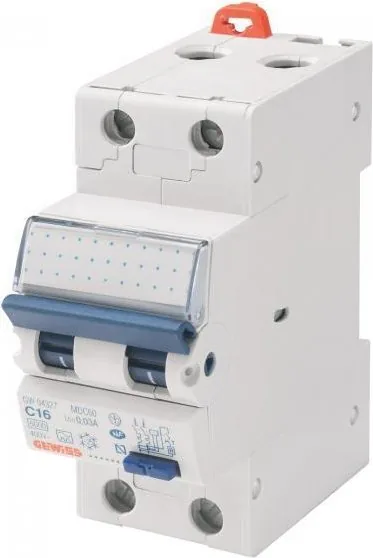
Gewiss manuals are organized by product families to facilitate easy navigation for the user. One major category includes miniature circuit breakers (MCBs). These devices protect electrical circuits against overcurrent and short circuits. The manual details the different tripping curves available, such as B, C, and D curves, explaining when each should be applied based on the type of connected load. For instance, curve B is typically used for lighting and general purposes, while curve C is suitable for motor loads with moderate starting currents. Another extensive section covers Residual Current Devices (RCDs) and Residual Current Circuit Breakers with Overcurrent Protection (RCBOs). These manuals explain the sensitivity ratings, measured in milliamperes, and how to select the appropriate device for shock protection versus fire protection.
Distribution boards represent another critical area documented in Gewiss literature. The manuals illustrate how to assemble DIN rail-mounted enclosures, manage cable entries, and organize busbars. They include diagrams showing the maximum number of modules that can fit into various enclosure sizes. This information is vital for designers planning panel layouts in commercial buildings or industrial plants. Additionally, the documentation addresses power sockets, switches, and data communication interfaces. Each product sheet contains technical data regarding voltage ratings, current capacities, and material durability, ensuring long-term reliability in harsh environments.
Installation and Safety Guidelines
Safety is the cornerstone of every Gewiss manual. Before any installation begins, the documentation emphasizes the necessity of disconnecting the power supply to avoid electric shock. It outlines the required personal protective equipment (PPE) and tools needed for the task. The guides provide clear warnings about working on live circuits, which is generally prohibited unless specific procedures are followed under strict supervision. Proper grounding techniques are also highlighted, as an effective earth connection is crucial for the operation of RCDs and for overall system safety. The manuals stress the importance of torque settings for terminal connections to prevent overheating at contact points, a common cause of electrical fires.
Step-by-step installation procedures are broken down into logical phases. First, the user prepares the mounting surface, ensuring it is flat and secure. Next, the components are clipped onto the DIN rails using the specified locking mechanisms. Wiring instructions detail how to strip cables to the correct length without damaging the conductors and how to insert them firmly into the terminals. The guides often include visual aids or schematic representations to clarify wire routing and phase identification. For three-phase systems, color coding standards are strictly adhered to, helping installers distinguish between live, neutral, and earth conductors according to local regulations.
Maintenance and Troubleshooting
Beyond initial setup, Gewiss manuals offer valuable insights into routine maintenance and troubleshooting. Regular inspection schedules are recommended to check for signs of wear, discoloration, or loose connections. The documentation explains how to test the functionality of RCDs using the built-in test button, ensuring that the trip mechanism operates correctly within the specified time limits. If a breaker trips frequently, the manual provides a diagnostic flowchart to identify potential causes, such as ground faults, overloading, or defective downstream equipment. This systematic approach minimizes downtime and extends the lifespan of the electrical infrastructure.
In cases where a component needs replacement, the guides assist in identifying compatible models and ordering spare parts. They emphasize the importance of matching the exact specifications of the original device to maintain system integrity. The manuals also address recycling and disposal procedures, encouraging environmentally responsible practices at the end of the product lifecycle. By following these guidelines, operators can ensure that their electrical systems remain compliant with evolving regulatory frameworks and industry best practices.
Digital Resources and Support
In the modern era, Gewiss has expanded its support ecosystem to include digital versions of all manuals. Users can access downloadable PDFs directly from the official website, allowing for quick reference on mobile devices during fieldwork. These digital resources often feature interactive elements, such as clickable tables of contents and searchable text, making it easier to find specific information quickly. The company also provides video tutorials that complement the written guides, demonstrating complex assembly tasks or highlighting new features in updated product lines. For specialized inquiries, technical support teams are available to assist with custom applications or unique project requirements, ensuring that customers receive tailored advice that aligns with their specific needs.
Conclusion
Gewiss manuals are indispensable tools for anyone involved in the design, installation, and maintenance of electrical systems. They combine rigorous technical data with practical guidance to empower professionals to work safely and efficiently. By adhering to the recommendations found in these documents, stakeholders can mitigate risks, optimize performance, and contribute to the reliability of electrical networks worldwide. Whether dealing with simple residential wiring or complex industrial automation setups, the clarity and depth of Gewiss documentation make them a trusted resource for achieving excellence in electrical engineering.
Sök efter 67 732 Manualer online


Ange märke eller modell